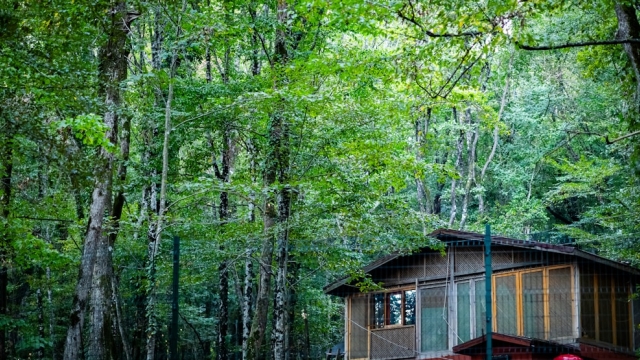

Investing in leisure properties presents a compelling opportunity for individuals and businesses seeking to diversify their portfolios and capitalize on the growing demand for relaxation and recreation spaces. These properties, which range from vacation homes to campgrounds and resorts, attract those looking for escapes from their daily routines. As interest in outdoor hospitality continues to rise, understanding the fundamentals of this investment type is essential for making informed decisions.
Understanding Leisure Property Investment: Basics and Benefits
Leisure properties encompass a wide array of real estate options designed for enjoyment and relaxation. These can include beachfront rentals, mountain cabins, and recreational parks. The appeal of investing in leisure properties is rooted in their ability to generate income while providing a personal retreat for owners. One of the primary benefits of investing in leisure properties is the potential for strong returns. Many leisure properties can be rented out during peak seasons, providing consistent rental income. Additionally, as tourism and travel continue to grow, the demand for such properties has remained resilient, making them attractive long-term investments. Furthermore, owning a leisure property can offer tax advantages, particularly if the property is rented out, as expenses related to maintenance and management may be deductible.
Exploring Outdoor Hospitality: Trends and Opportunities
The concept of outdoor hospitality has gained traction, with more people seeking experiences that connect them with nature. This shift has led to an increase in investment in leisure properties that cater to outdoor activities, such as glamping sites, eco-resorts, and adventure lodges. Investors can benefit from this trend by researching areas with high foot traffic and natural attractions, such as national parks and lakes. When considering an investment in leisure properties, it is essential to conduct thorough market research. Assessing local tourism statistics, understanding seasonal demand, and identifying potential competitors can provide valuable insights into the viability of a property. Additionally, engaging with local tourism boards can offer information on upcoming events and initiatives that may impact property value.
Eco-Friendly Investments: Sustainable Options in Leisure Properties
Sustainability has become a significant factor in property investment decisions, as more consumers prioritize eco-friendly options. The investment in leisure properties that emphasize green practices not only appeals to environmentally conscious travelers but can also enhance the property’s long-term value. Features such as solar panels, water conservation systems, and sustainable building materials can set a property apart from others in the market. Investors interested in sustainable leisure properties should look for developments that prioritize eco-tourism. This may include properties that provide educational experiences about nature conservation or those that integrate seamlessly into their surroundings. By investing in environmentally friendly options, investors can contribute to a more sustainable future while potentially increasing their return on investment.
Future Trends in the Leisure Property Market
As the leisure property market evolves, several trends are likely to shape its future. An increasing number of travelers are looking for unique experiences rather than traditional accommodations, paving the way for innovative property concepts. Investors should remain adaptable, keeping an eye on emerging trends such as wellness retreats and experiential lodging. In addition, the rise of remote work has led to a growing interest in properties that can serve dual purposes—offering both a living space and an investment opportunity. This trend can be particularly beneficial in areas with favorable climates and strong local amenities. In conclusion, the investment in leisure properties presents numerous opportunities for both personal enjoyment and financial gain. By understanding the basics, recognizing emerging trends, and embracing sustainable practices, investors can make informed choices that align with their goals and values. For those looking to explore these opportunities further, resources and expert guidance can provide valuable insight into navigating the leisure property landscape.
| Investment Type | Potential Benefits | Considerations |
|---|---|---|
| Vacation Rentals | High rental income potential | Seasonal demand fluctuations |
| Campgrounds | Growing outdoor tourism | Management and maintenance challenges |
| Eco-Resorts | Appeals to eco-conscious travelers | Higher initial investment costs |
| Glamping Sites | Unique experience offerings | Need for effective marketing strategies |
Investing in leisure properties can be a rewarding venture, paving the way for both financial returns and cherished personal experiences. Whether exploring opportunities in outdoor hospitality or prioritizing sustainable practices, there are various pathways to success in this dynamic sector.